Pore size is set mostly by genetics and modified by sebum output, sun damage, and age. Nothing closes a pore, because pores have no closing mechanism — they aren't muscles and they have no sphincter. Cold water doesn't shut them and steam doesn't open them. What you can change is how visible they are, and that turns out to be most of what people want anyway.
What a pore is
The opening of a pilosebaceous unit: a hair follicle with a sebaceous gland attached. The gland produces sebum, which travels up the follicle and out. Larger glands produce more sebum and sit in wider follicles, which is why pores are most conspicuous on the nose, inner cheeks, and forehead — the areas with the highest gland density.
Three things make a pore look bigger than it is:
It's full. Sebum mixed with dead cells sits in the opening and oxidises to a darker colour at the surface. A dilated, visibly filled pore reads as larger than the same pore emptied.
The surrounding scaffolding has weakened. Collagen and elastin in the dermis hold the follicle opening taut. Cumulative UV exposure degrades both, and the opening loses definition. This is why pore visibility increases with age and is worse in sun-exposed areas.
The gland is producing a lot. Higher sebum output correlates with visible pore size across populations.
Sebaceous filaments are not blackheads
Worth separating, because a great deal of frustration comes from conflating them. Sebaceous filaments are the normal, universal structures that channel sebum out of the follicle. Everyone has them, most visibly on the nose, and they refill within days of being extracted. They are not a flaw and they cannot be permanently removed.
A blackhead is an actual comedo — a plug of compacted keratin and sebum, darkened by oxidation, usually raised. Fewer of them, harder to remove, and they respond to treatment.
If you squeeze your nose and pale wormlike threads emerge, those were filaments. They will be back on Thursday.
What changes appearance
Ranked by evidence:
Topical retinoids. The best-supported intervention. They normalise follicular keratinisation, which reduces plugging, and they stimulate dermal collagen over months, which restores some of the structural support. Slow — expect three months.
Salicylic acid. Oil-soluble, so it penetrates into the sebum-filled follicle rather than sitting on the surface. Keeps openings clear. Faster and more modest than a retinoid.
Sunscreen. Prevents further degradation of the collagen that holds the opening in shape. Entirely preventive, does nothing for what's already happened, and still the highest-value item on this list over a decade.
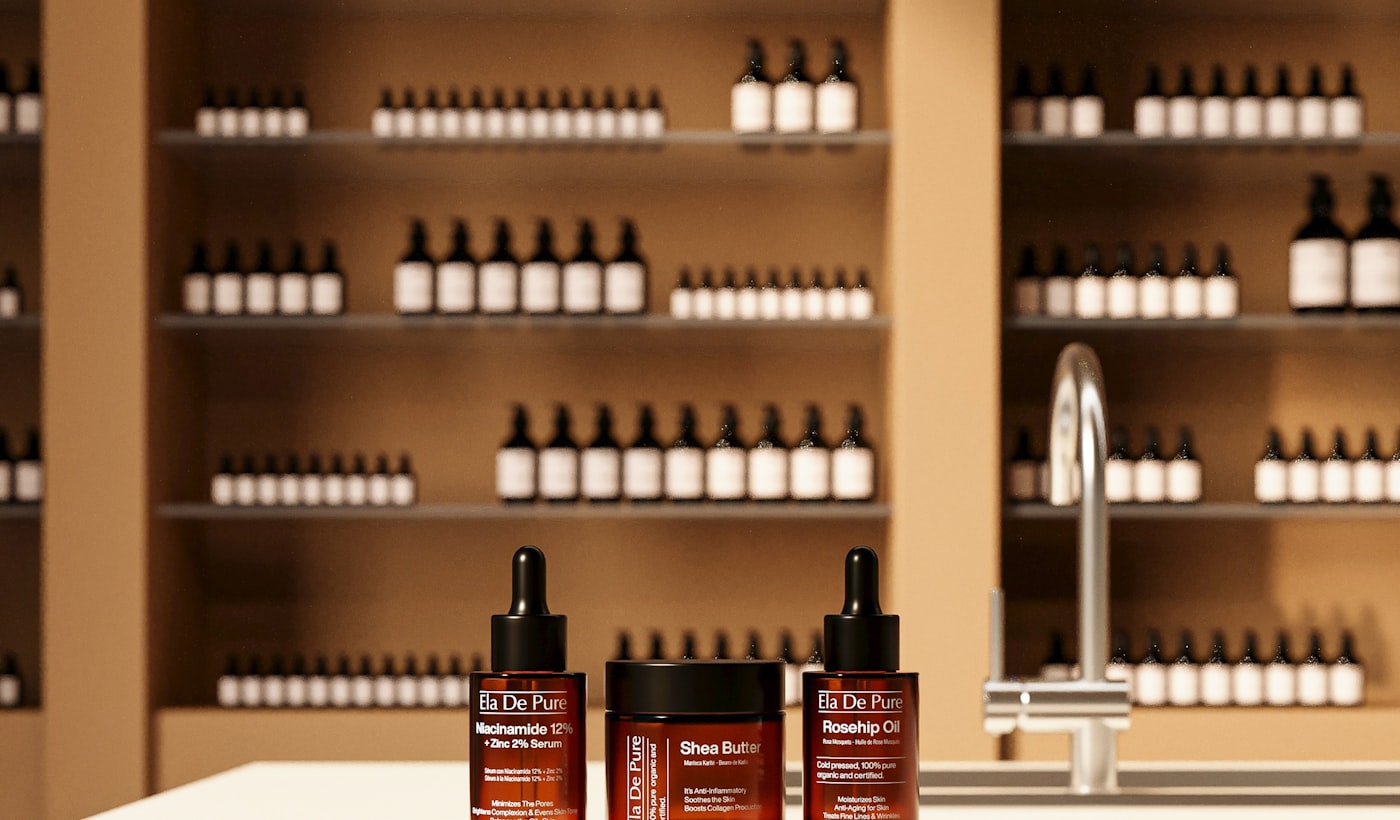
Niacinamide. Modest evidence for reduced pore appearance, plausibly via sebum regulation. Cheap and well tolerated.
What doesn't
Pore strips remove the top of the plug and nothing structural; the follicle refills. Toners marketed as pore-minimising astringe the surrounding skin for a few hours at most. Cold water, ice rolling, and rinsing with anything at any temperature have no lasting effect on follicular diameter. Physical scrubs can inflame the area, which makes pores look worse.