A short reference. Most of the reassuring language on cosmetic packaging is unregulated in both the United States and Canada, which means a brand can print it without meeting any defined criterion. Some of these phrases are still informative in context. None of them are guarantees.
Unregulated
| Phrase | What it is required to mean | What it may mean in practice |
|---|---|---|
| Dermatologist tested | Nothing. No standard for the test, its size, its design, or its outcome. | A dermatologist was involved at some point. The result is not implied to have been good. |
| Dermatologist recommended | Nothing. | Some number of dermatologists were surveyed. Sample size, question wording, and compensation are rarely disclosed. |
| Hypoallergenic | Nothing. No legal definition in the US or Canada. | The manufacturer believes it is less likely to cause reactions. Sometimes well-founded, never verified. |
| Non-comedogenic | Nothing. No required test. | Historically based on a rabbit-ear assay that correlates poorly with human outcomes. Sometimes based on nothing. |
| Clinically proven / clinically tested | Only that a test involved people. | No requirement for a control group, blinding, statistical significance, or publication. A twelve-person unblinded self-assessment qualifies. |
| Chemical-free | Nothing, and it is chemically incoherent. | Water is a chemical. Treat this as a signal about the brand's scientific literacy. |
| Non-toxic | Nothing. Undefined for cosmetics. | Usually means the brand avoids a list of ingredients it has chosen. |
| Natural / naturally derived | Nothing. | "Naturally derived" can describe a heavily processed material several synthetic steps removed from a plant. |
| Pharmaceutical grade | Nothing. No such classification exists for cosmetics. | Marketing. |
| Doctor formulated | Nothing. Any doctor, any specialty. | Sometimes a dermatologist. Sometimes a dentist with an equity stake. |
| pH balanced | Nothing. No defined range. | Often true and unremarkable. |
| Cruelty-free (uncertified) | Nothing as a bare phrase. | May be accurate. May exclude contract manufacturers or required foreign testing. |
| Vegan (uncertified) | Nothing as a bare phrase. | Usually accurate about ingredients. Says nothing about testing. |
| Free from [ingredient] | Only the literal claim. | True, and engineered to imply a hazard that the evidence may not support. |
Genuinely different in meaning
Fragrance-free and unscented are not synonyms and the difference matters if you react to fragrance materials. Fragrance-free indicates no fragrance ingredients were added. Unscented means the product doesn't smell of much — which is sometimes achieved by adding a masking fragrance. If you're avoiding fragrance, the word you want is the first one, and you should still read the ingredient list.
Phrases backed by something
These involve a published standard and a third party who can withdraw the mark:
- Certified organic with a named certifier — USDA Organic, COSMOS, Ecocert, Soil Association. "Organic" alone on the front of a bottle, with no certifier named, is worth much less.
- Leaping Bunny — the strictest widely-used animal testing standard, including supply chain.
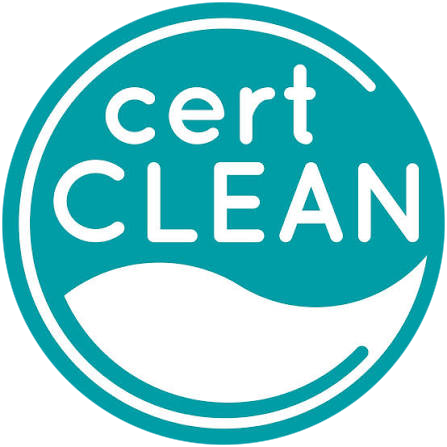
- MADE SAFE, EWG Verified, CertClean — ingredient screening against published restricted lists. Each screens different things; none evaluates whether a product works.
- B Corp — company-level social and environmental assessment. Says nothing about the formula.
The distinction isn't that certified is good and uncertified is bad. Plenty of excellent products carry no marks at all, usually because certification costs money a two-person brand would rather spend on ingredients. The distinction is that a certified claim can be checked and an uncertified one has to be taken on trust.